

Why Google Rankings and AI Citations Often Differ
Oct 25, 2026
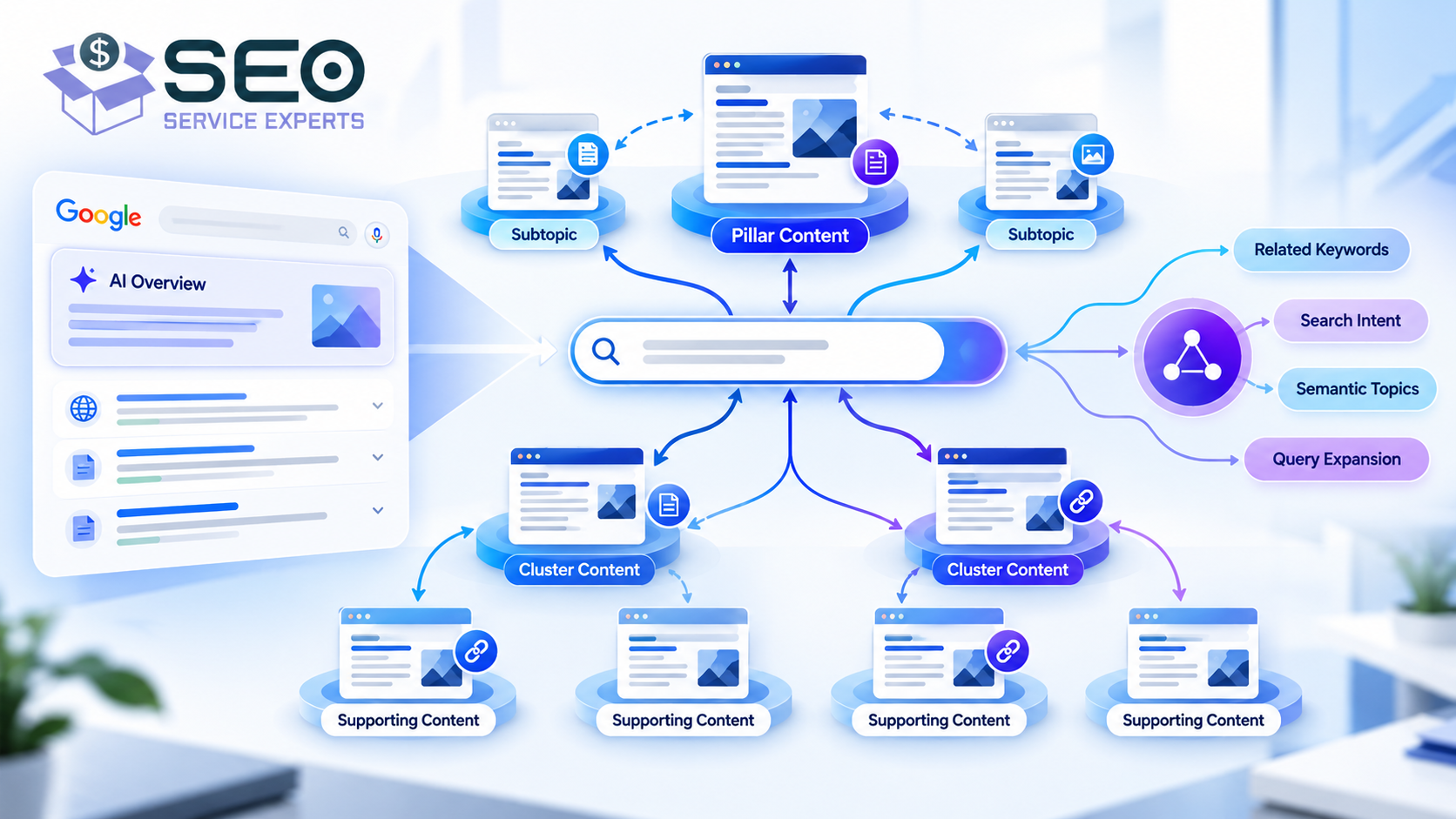
Search behavior is becoming more conversational, and modern search experiences can explore multiple related questions to build a broader understanding of a user’s needs. This process is commonly described as query fan-out. Instead of focusing on one search phrase, a search system may explore related subqueries covering different aspects of the original question.
For your website, this creates an important content strategy opportunity. You need to organize information around connected topics, user intent, and supporting questions rather than relying on individual keyword-focused blog posts.
A well-planned content architecture helps search engines discover relevant pages while giving visitors a clear path to the information they need. For businesses investing in SEO, understanding query fan-out can help you develop content that supports traditional search visibility and emerging AI-powered search experiences.
Query fan-out describes the process of expanding an initial search query into multiple related queries to explore a topic from different angles.
For example, someone searching for “How can I improve website rankings?” may also need information about technical SEO, content quality, search intent, internal linking, and website performance.
A search system may explore several of these related areas when generating or retrieving information. The exact process varies by search system and query.
For website owners, the practical lesson is straightforward: your content should answer the main question and cover its most important related questions without creating unnecessary pages.
Traditional content planning often begins with keyword research, search volume, and competition. These remain useful, but a query fan-out approach adds another layer: understanding how different questions connect to one another.
Here are five important changes to consider.
Creating a separate article for every keyword variation can lead to repetitive content and competing URLs.
Instead, organize your website around topic clusters. A central pillar page covers the main subject, while supporting pages address distinct subtopics that deserve deeper explanations.
For example, a website targeting SEO services might organize its content like this:
Each page serves a specific purpose while contributing to the broader subject.
This approach is consistent with the topical authority principles discussed in SEO Services Experts’ guide to building authority in competitive niches.
The goal is not to publish the maximum number of articles. It is to build a useful, connected collection of resources.
Related queries do not always require separate pages. Some represent different wording for the same need, while others indicate a different stage of the decision-making process.
Consider a user exploring technical SEO:
The first two questions may fit naturally into an introductory guide. The third may deserve a dedicated troubleshooting article, while the fourth could require a service-oriented page.
Before creating a new URL, determine whether the query introduces a genuinely different intent or simply adds another detail to an existing topic.
This reduces keyword cannibalization and helps each page maintain a clear purpose.
A flat website structure can make it difficult for users to understand how individual resources relate to one another.
Query fan-out encourages you to think more carefully about the relationships between pages, topics, and entities.
For example, a logical architecture could look like this:
SEO Strategy → Content Optimization → Search Intent → Query Fan-Out → Content Clusters
This is a conceptual relationship, not a required URL hierarchy. Your actual structure should reflect your website’s services, audience, and information needs.
Use descriptive URLs, clear headings, relevant navigation, and contextual internal links to establish these relationships. Review technical SEO issues that can affect website structure and discoverability to identify potential barriers.
A coherent architecture helps visitors navigate your resources and gives search engines clearer pathways for discovering related pages.
Query fan-out can expose gaps in content that addresses only the primary keyword.
Suppose you publish an article about AI search optimization. A useful resource might also explain content structure, entity relationships, source credibility, internal linking, and how to measure visibility.
However, comprehensive coverage does not mean adding every possible question to one article.
Use a simple rule: answer closely related questions together when doing so improves the reading experience. Create separate supporting pages when a subject requires substantial detail, has a distinct intent, or deserves its own practical guide.
Write direct answers, use descriptive headings, and include examples that clarify complicated ideas.
Your content should demonstrate expertise rather than repeat keywords or expand paragraphs simply to increase word count.
Internal links become especially important when your content covers multiple connected subjects.
Each relevant link should help readers understand a concept, explore a related problem, or take the next logical step.
For example, an article about query fan-out might link to a detailed guide on content strategy. That guide could connect readers to relevant technical SEO resources or a service page when appropriate.
Use descriptive anchor text that explains the destination. Avoid inserting links merely because two pages share a keyword.
You can also review your existing content strategy tips for building higher website traffic to identify opportunities to connect related resources.
You can apply the following workflow to organize existing content and plan new pages more effectively.
Choose a subject that aligns with your business expertise and audience needs. For an SEO agency, this might be technical SEO, content optimization, local SEO, or AI search visibility.
Use keyword research, search results, customer questions, website analytics, and relevant industry discussions to discover related queries.
Group these questions by meaning and intent instead of treating every phrase as a separate content opportunity.
Review your current articles and service pages. Identify which pages already answer each question and where genuine content gaps remain.
If two existing articles address essentially the same need, consider consolidating or differentiating them before publishing another page.
Choose a primary resource and assign distinct supporting topics to relevant pages. Give every planned URL a clear purpose, target audience, and internal linking role.
Avoid creating thin pages solely to target minor query variations.
Connect supporting articles with their relevant pillar page and link between related resources where useful. Keep the navigation logical and make important pages easy to discover.
Monitor organic impressions, clicks, query coverage, conversions, indexing status, and engagement where available.
For AI search, track citations or brand mentions when reliable measurement tools provide them. Remember that traditional rankings and AI citations measure different outcomes, and neither guarantees the other.
Use the results to identify missing information, overlapping pages, and opportunities to improve existing resources.
A query fan-out strategy can become counterproductive if it focuses on volume rather than usefulness.
Avoid these mistakes:
The objective is to build an architecture that makes information easier to discover and understand, not a large collection of loosely connected articles.
Query fan-out changes how you should approach SEO content architecture by encouraging a deeper focus on connected questions, distinct search intents, and meaningful relationships between pages.
When you organize content into purposeful clusters, strengthen contextual internal links, and address genuine information gaps, you create a more coherent website for users and search engines.
SEO Services Experts can help businesses develop content strategies that connect search intent, technical foundations, and relevant website resources into a practical plan for sustainable organic visibility.
If you want to improve your website’s content architecture and build a more strategic search presence, Contact Us to discuss your SEO goals.